
Comprehensive Guide to Tieguanyin Tea
Historical Origins
Tieguanyin originated during the Yongzheng reign (1725–1735) of the Qing Dynasty in Anxi, Fujian. Legend has it that a tea farmer named Wei Yin discovered the tea plant after being guided by a dream from the Goddess of Mercy (Guanyin). The tea was named for being “heavy as iron and beautiful as Guanyin.” In the late Qing Dynasty, it spread to Taiwan with Minnan immigrants. By the 1980s, it gained popularity in Japan, leading to the development of the “light fragrance” refined processing method. In 2006, it was designated as a National Geographical Indication Product.
Tea Characteristics
1. Color and Shape
– Dry Leaves:
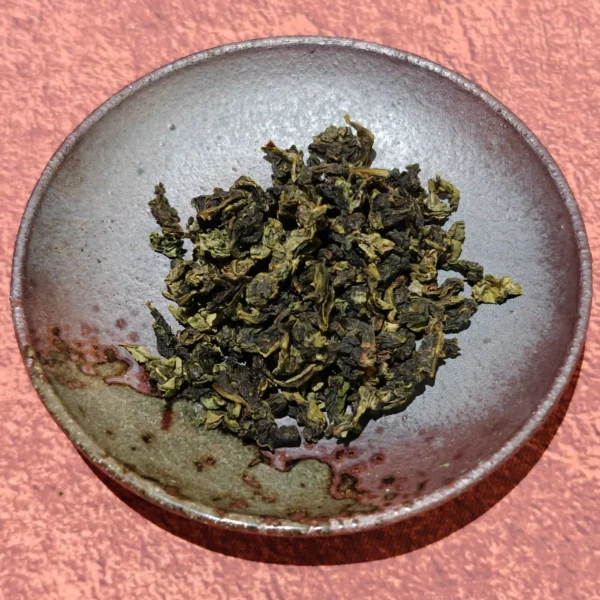
– Traditional “Rich Aroma” Type: Sandy green with a dark luster, featuring a “dragonfly head and frog legs” shape (thick stems with curled leaf tips).
– Modern “Fresh Aroma” Type: Vibrant emerald green, tightly rolled into pearl-like pellets.
– Wet Leaves: Thick, soft, and glossy with a “green leaves with red edges” appearance, exhibiting a satin-like sheen.
2. Sensory Experience
– Liquor Color:
– Rich Aroma Type: Golden to orange-yellow.
– Fresh Aroma Type: Pale yellow-green, resembling early spring willow buds.
– Aroma:
– Orchid fragrance (signature varietal aroma).
– Milky notes (specific terroir teas).
– Roasted undertones (medium to heavily fired teas).
– Flavor:
– Mellow, sweet, and refreshing with a “Guanyin rhythm” (a lingering aftertaste akin to green olives).
– High-quality teas exhibit “three-steep transformation” (flavor intensifies after the third infusion).
Brewing Artistry
1. Glass Cup Brewing (Aroma & Visual Enjoyment)
– Tools: Straight glass cup (350ml).
– Steps:
① Add 5g tea leaves, pour 100°C water along the cup wall.
② First steep for 30 seconds (rinsing), then refill to 70% capacity.
③ Observe leaves unfurling like orchids in bloom.
④ Extend steeping time by 15 seconds per infusion; can be brewed 4–5 times.
2. Gongfu Tea Brewing (Traditional Seven Steeps)
– Tools: Small Zhuni clay teapot (120ml), white porcelain Ruochen cups.
– Key Techniques:
① “Mengchen Linlin” – Preheat the pot with boiling water to enhance temperature.
② “Guanyin Enters the Palace” – Add 8g tea (1/3 of pot volume).
③ “Hanging Pot High Pour” – Pour water from a height to help leaves unfurl.
④ Brewing Rhythm:
– Steeps 1–2: 5-second quick infusion (highlighting freshness).
– Steeps 3–5: 10–15 seconds (savoring the lingering charm).
– Steeps 6–7: 30+ seconds (better when boiled).
3. Cold Brew Method (Summer Refreshment)
– Process:
① 3g tea leaves + 500ml mineral water.
② Refrigerate for 6 hours; add honey or lemon.
③ Cold brewing enhances the orchid fragrance with clarity.
Core Processing Techniques
– Qingdiao (Withering & Oxidation): Shake leaves 4–5 times over 12–18 hours.
– Shaqing (Kill-Green): Pan-fry at 280°C to fix “green leaves with red edges.”
– Baorou (Rolling): Wrap and knead leaves 20+ times to form pellets.
(Note: Premium Tieguanyin should avoid three flaws: sourness, mustiness, and grassy taste.)
Reviews
There are no reviews yet.