
Comprehensive Guide to Biluochun Tea
Historical Origins
Biluochun was first created in the late Ming and early Qing dynasties, originating from Dongting East and West Mountains near Lake Taihu in Suzhou, Jiangsu. Originally called “Xia Sha Ren Xiang” (“Startlingly Fragrant”), it was renamed by Emperor Kangxi during his southern tour (meaning “green spiral spring tea”). Lu Yu’s The Classic of Tea from the Tang Dynasty records tea production in Dongting, and by the Song Dynasty, it was designated as a tribute tea. In 2002, it became one of China’s first geographical indication products.
Tea Characteristics
1. Color & Shape
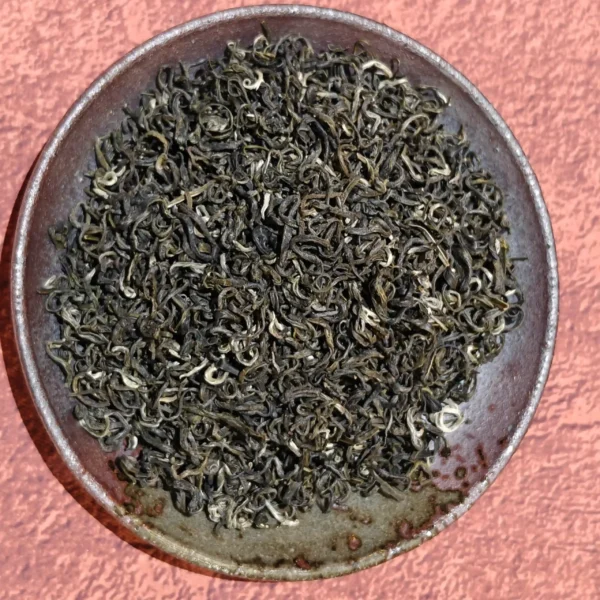
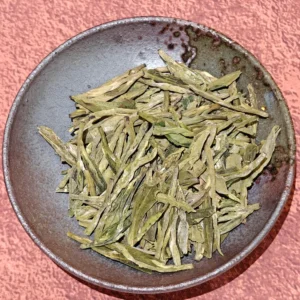
– Dry Leaves: Slender, tightly curled into a spiral shape, silvery-green with hidden emerald hues, densely covered with white hairs (top-grade tea contains about 67,000 buds per 500g).
– Wet Leaves: Tender, uniform, and intact, with a soft, silky texture.
2. Sensory Experience
– Liquor Color: Tender green and clear, with visible floating hairs (top-grade tea exhibits a “snowflakes” effect).
– Aroma:
– Regional Aroma: Floral and fruity (East Mountain tea carries a loquat fragrance, while West Mountain tea has a bayberry nuance).
– Processing Aroma: Fresh bean aroma, chestnut fragrance.
– Taste: Fresh, mellow, and sweet, with a smooth texture reminiscent of fresh soy milk and a refreshing aftertaste (theanine content ≥ 2.5%).
Brewing Artistry
1. Glass Cup Top-Pour Method (Tea Dance Observation)
– Utensils: Wide-mouthed glass cup (250ml)
– Steps:
① Fill the cup 70% with 80°C water.
② Add 3g tea (about 150 buds), watching the leaves float down like snowflakes.
③ Let steep for 2 minutes, observing the “spring colors at the bottom” effect.
④ Can be reinfused twice, increasing steeping time by 1 minute each.
2. Suzhou-Style Gongfu Brewing (Aroma Analysis)
– Utensils: Thin-walled white porcelain gaiwan (120ml), aroma cup
– Key Techniques:
① “Warming the Cup & Arousing the Aroma”: Rinse the gaiwan with boiling water, add 4g tea, cover, and swirl gently.
② First steep: Pour 75°C water along the side, steep for 15 seconds (rinsing).
③ Formal Brewing:
1st–2nd steeps: 80°C water, immediate pour-out
3rd–5th steeps: 85°C water, 10-second steep
④ Before drinking, observe the liquor color, then smell the “cold cup aroma.”
3. Plum Rain Cold Brew (Seasonal Method)
– Process:
① 2g tea leaves + 500ml Taihu mineral water
② Add 1 fresh jasmine flower, refrigerate for 4 hours
③ The resulting liquor is pale golden-green, with 30% enhanced sweetness.
Core Production Process
– Picking: From Jingzhe (Awakening of Insects) to before Qingming, standard “one bud, one just-unfolded leaf.”
– Kill-Green: Hand-fried in copper woks (180–200°C).
– Rolling: “Hand never leaving the tea, tea never leaving the wok” spiral rolling technique.
(Note: Authentic Biluochun must exhibit “Four Wonders”: beautiful shape, vibrant color, rich aroma, and mellow taste. Avoid boiling water when brewing.)
Reviews
There are no reviews yet.