
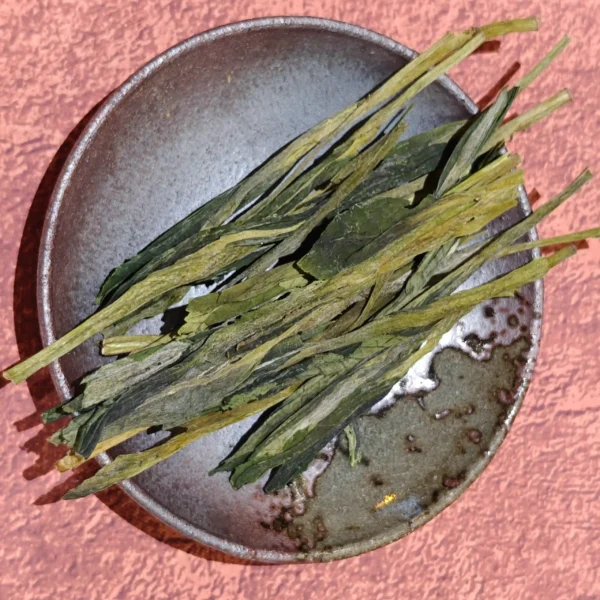
Comprehensive Guide to Taiping Houkui Tea
Historical Origins
Taiping Houkui was created during the Guangxu era of the Qing Dynasty (1900) by tea farmer Wang Kuicheng in Taiping County (now Huangshan District), Anhui Province. Its name derives from the monkey-infested Houkeng (“Monkey Pit”) village in its production area. It won a gold medal at the 1915 Panama-Pacific International Exposition and became a National Geographical Indication product in 2007. The core production area is strictly limited to Houkeng, Hougang, and Yanjia villages.
Tea Characteristics
1. Color & Shape
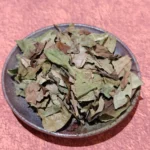
– Dry Leaves: Flat and straight, with two leaves embracing a bud, measuring 5–7 cm in length. The color is deep green with even luster, featuring faint red veins (“red silk threads”).
– Wet Leaves: Tender, plump, and uniform, forming intact clusters with rounded serrations and dense white hairs on the underside.
2. Sensory Experience
– Liquor Color: Clear green and bright, with floating hairs (top-grade tea exhibits a “dancing green snow” effect).
– Aroma:
– Regional Character: Orchid fragrance (unique to Houkeng’s core area).
– Processing Notes: Young corn aroma (traditional charcoal-roasted version).
– Taste: Fresh, mellow, and thick, reminiscent of green olives on the palate. A honey-like sweetness emerges after the third infusion, with a cool, mineral-like throat sensation.
Brewing Artistry
1. Upright Glass Cup Method (Tea Performance)
– Utensils: Tall glass cup (500ml)
– Steps:
① Fill 1/3 of the cup with 90°C water, then vertically insert 3g of tea (buds pointing upward).
② Top up to 70% capacity and steep for 2 minutes.
③ Observe the “forest of swords” upright posture of the leaves.
④ Can be reinfused 3 times, increasing steeping time by 1 minute each.
2. Gaiwan Gongfu Method (Aroma Analysis)
– Utensils: Blue-and-white gaiwan (150ml), glass fairness cup
– Key Techniques:
① Warm the gaiwan with boiling water, add 5g tea, and smell the “cold dry leaf aroma.”
② Use the “Phoenix Nods Three Times” pouring technique to activate the leaves. First steep: 15 seconds (rinsing).
③ Formal Brewing:
1st–3rd infusions: 85°C water, immediate pour-out
4th–6th infusions: 90°C water, 20-second steep
④ Before drinking, smell the lid aroma, then sip the liquor.
3. Mountain Spring Cold Brew (Summer Specialty)
– Process:
① 4g tea leaves + 600ml Huangshan mineral water
② Add 1 fresh bamboo leaf, refrigerate for 8 hours
③ The liquor appears pale golden-green, sweet and entirely free of bitterness.
Core Production Process
– Pinching & Shaping: Hand-pressed over 30 times per leaf to form its signature shape.
– Roasting: Two-stage charcoal roasting—initial (110°C) and final (80°C).
– Terroir Secret: Houkeng’s tea gardens experience 15°C diurnal temperature swings, cultivating its distinctive orchid note.
(Note: Authentic Houkui must meet the “Four No’s”: not flat, not curled, not loose, not twisted.)
Reviews
There are no reviews yet.