
Comprehensive Guide to Kuding Tea
Historical Origins
Kuding tea is not a true tea (from Camellia sinensis), but rather made from the young leaves of holly plants (Ilex latifolia or Ilex kudingcha). First documented in the Tang Dynasty’s Supplement to Materia Medica, its medicinal properties were detailed in Li Shizhen’s Compendium of Materia Medica during the Ming Dynasty. Primarily produced in Guangdong, Guangxi, and Hainan, it served as a traditional “cooling” herbal remedy in Lingnan culture before gaining popularity as a health tea in the 1990s.
Tea Characteristics
1. Appearance & Color
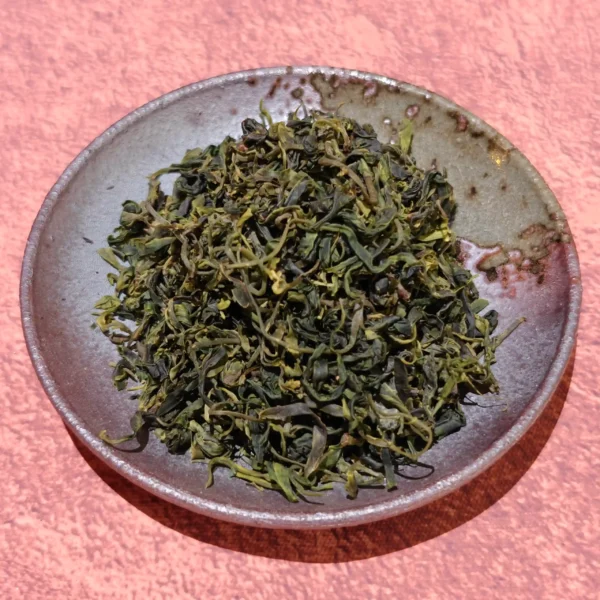
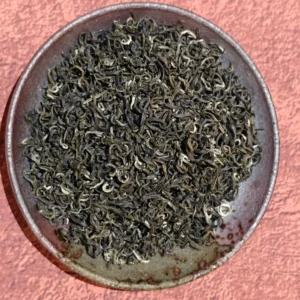
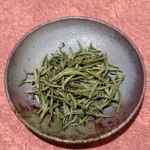
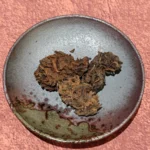
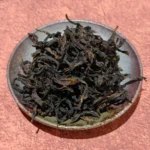
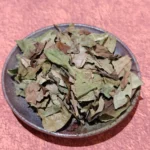
– Dry Leaves: Large, wrinkled leaves (up to 10cm for broad-leaf varieties), dark green with grayish bloom; aged leaves turn brown with tortoise-shell-like raised veins.
– Wet Leaves: Thick and rigid when brewed, serrated edges; older leaves show star-shaped fuzz on the underside.
2. Sensory Experience
– Liquor Color: Pale yellow-green (young leaves) to reddish-brown (aged), low clarity, deepening to amber with prolonged steeping.
– Aroma:
– Fresh grassy (young leaves).
– Woody aged notes (older leaves).
– Caramelized sweetness when roasted.
– Flavor:
– Intense bitterness lasting 5–10 seconds before transforming into sweetness.
– Cooling throat sensation with slight tongue numbness (due to ilexin content).
Brewing Artistry
1. Direct Cup Brewing (Herbal Tradition)
– Tools: Thick-walled glass cup (400ml).
– Steps:
① Rinse 1–2 leaves (~0.5g) with boiling water to remove dust.
② Steep in 95°C water for 3 minutes (maximum bitterness).
③ Rebrew 5–6 times, adding 1 minute per infusion.
2. Decoction Method (Medicinal Use)
– Tools: Clay pot or electric kettle (800ml).
– Key Techniques:
① Simmer 3g aged leaves in 500ml cold water for 20 minutes.
② Sweeten with rock sugar or honey.
③ Ideal for soothing sore throats during colds.
3. Cold Brew (Summer Refreshment)
– Process:
① Crush 1g young leaves + 500ml mineral water.
② Refrigerate 8 hours; add mint and lemon.
③ Reduces bitterness by 60%, enhancing sweetness.
Medicinal Value
– Active Compounds: Kuding glycosides, ursolic acid (lowers blood pressure/lipids).
– Contraindications: Limit to 3g daily; avoid during pregnancy or for the frail.
– Storage: Airtight container; aged Kuding develops mellower bitterness.
(Note: Authentic Kuding tea exhibits “Three Bitters”: initial punch, slow sweet transition, and cooling aftertaste. Pair with dried tangerine peel or monk fruit to balance bitterness.)
—
Key Terms:
– Lingnan (岭南): Southern China’s cultural region (Guangdong/Guangxi).
– Ilexin (冬青素): Bitter compound unique to holly leaves.
– “Cooling” (降火): Traditional Chinese medicine concept for heat-clearing remedies.
Reviews
There are no reviews yet.