
Comprehensive Guide to Lapsang Souchong Black Tea
Historical Origins
As the progenitor of all black teas worldwide, Lapsang Souchong was first created in the mid-Ming Dynasty (circa 1568) in Tongmu Pass, Wuyi Mountain, Fujian. Legend holds that delayed tea processing due to troop movements led local farmers to salvage fermenting leaves by drying them over pinewood charcoal—accidentally creating this smoky-fragranced tea. Later exported to Europe, it captivated British royalty and helped shape afternoon tea culture. Its name “Lapsang” (正山) denotes geographical authenticity, while “Souchong” (小种) refers to small-leaf varietals. At its 19th-century peak, it comprised 85% of China’s black tea exports before declining due to wars, then revived in 2005 through innovations like Jin Jun Mei.
Tea Characteristics
1. Appearance
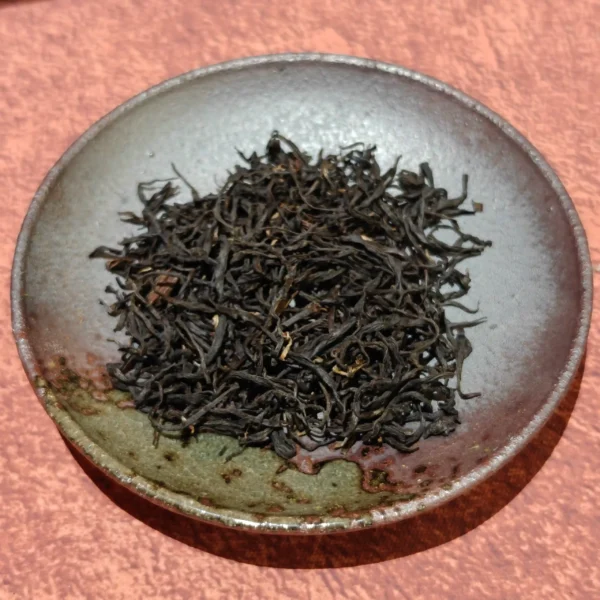
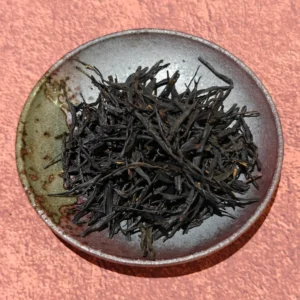
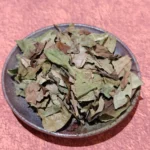
– Dry Leaves: Thick, tightly twisted strands with glossy black-brown (smoked) or deep brown (unsmoked) hues; smoked versions show pine-resin luster.
– Spent Leaves: Evenly red and supple; smoked leaves retain pine-char aroma, unsmoked exude honeyed sweetness.
2. Sensory Profile
– Liquor: Smoked: dark amber; Unsmoked: bright ruby (shifting orange with age).
– Aroma:
? Smoked: Pine smoke, dried longan sweetness.
? Unsmoked: Honey, floral-fruity notes.
– Flavor: Velvety and sweet—smoked versions feature pronounced longan broth richness, while unsmoked emphasize fresh sweetness with a cooling aftertaste.
Brewing Artistry
1. Glass Cup Method (Simplified Tasting)
– Vessel: 300ml tall transparent cup.
– Steps:
① Add 3g tea, infuse with 90°C water to 70% full.
② First steep 30 sec, observe “cloud dancing” (fuzz swirling).
③ Subsequent steeps add 15 sec each, 3–4 infusions possible.
2. Gongfu Tea Ceremony (Traditional Mastery)
– Setup: 120ml purple clay pot/white gaiwan, fairness pitcher.
– Essentials:
① Preheat vessel, add 5g tea, quick rinse (5 sec).
② Formal brewing:
? Steeps 1–3: Immediate pour (5–10 sec).
? Steeps 4–6: Extend to 15–30 sec.
? Post-7th steep: Simmer remaining essence.
3. Cold Brew (Summer Refreshment)
– Process:
① Steep 4g tea + 500ml mineral water, refrigerate 6 hrs.
② Enhance with honey or lemon to accentuate natural sweetness.
Aging & Appreciation
? Smoked: Pine mellows over time, developing plum-like notes.
? Unsmoked: Gains honeyed depth and silkier texture after 3+ years.
(Note: Avoid prolonged high-temperature steeping. Smoked versions pair well with snacks to balance intensity.)
—
Translation Notes:
1. Cultural Terms: Retained “Lapsang Souchong” as the internationally recognized name while explaining Chinese etymology.
2. Process Nuances: “Pine-resin luster” precisely conveys 松脂光泽; “longan broth” captures 桂圆汤味.
3. Brewing Terms: “Cloud dancing” poetically translates 起云霞; “fairness pitcher” standardizes 公道杯.
4. Historical Context: Clarified the 85% export statistic and 2005 revival linkage to Jin Jun Mei.
5. Sensory Language: “Velvety” describes 醇厚甘滑 better than generic “mellow.”
6. Practical Notes: Emphasized temperature control and food pairing advice for smoked variants.
This version balances scholarly accuracy with consumer-friendly readability, preserving the original’s technical details while making them accessible to global tea enthusiasts.
Reviews
There are no reviews yet.